
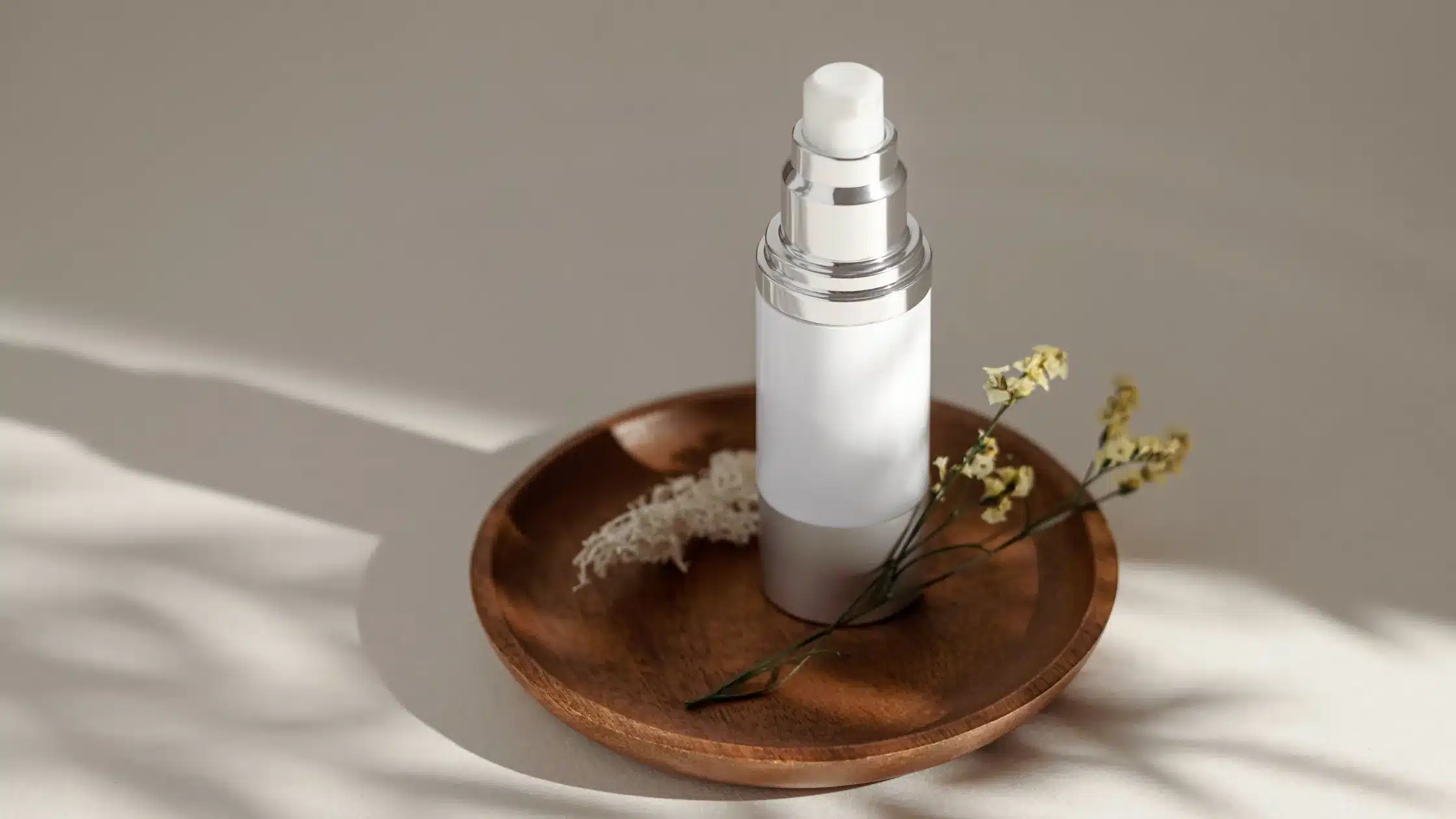
Have you ever held a cosmetic product in your hands that looked premium at first glance, but after a few weeks’ use, its texture changed or it simply didn’t deliver the same experience? Often, in such cases, it is not the formula itself that is the problem, but what surrounds it. In the cosmetics industry, packaging means far more than just an attractive exterior: it plays a vital role in ensuring that the active ingredients remain stable and effective throughout the entire period of use. But what makes packaging truly functional, and why are premium brands paying ever greater attention to this?
Why is packaging so important in the cosmetics industry?
At first glance, cosmetic packaging often seems to be merely an aesthetic consideration; in reality, however, it has a direct impact on the product’s stability, usability and shelf life. Well-chosen packaging not only protects the formula, but also helps to preserve its texture, effectiveness and hygienic safety.
It is no coincidence that different types of packaging are used for different cosmetic products. A serum, a rich face cream or a foaming cleanser each require completely different levels of protection and dispensing systems.
Cosmetic packaging has therefore now become part of the formulation process, not just a matter of design.
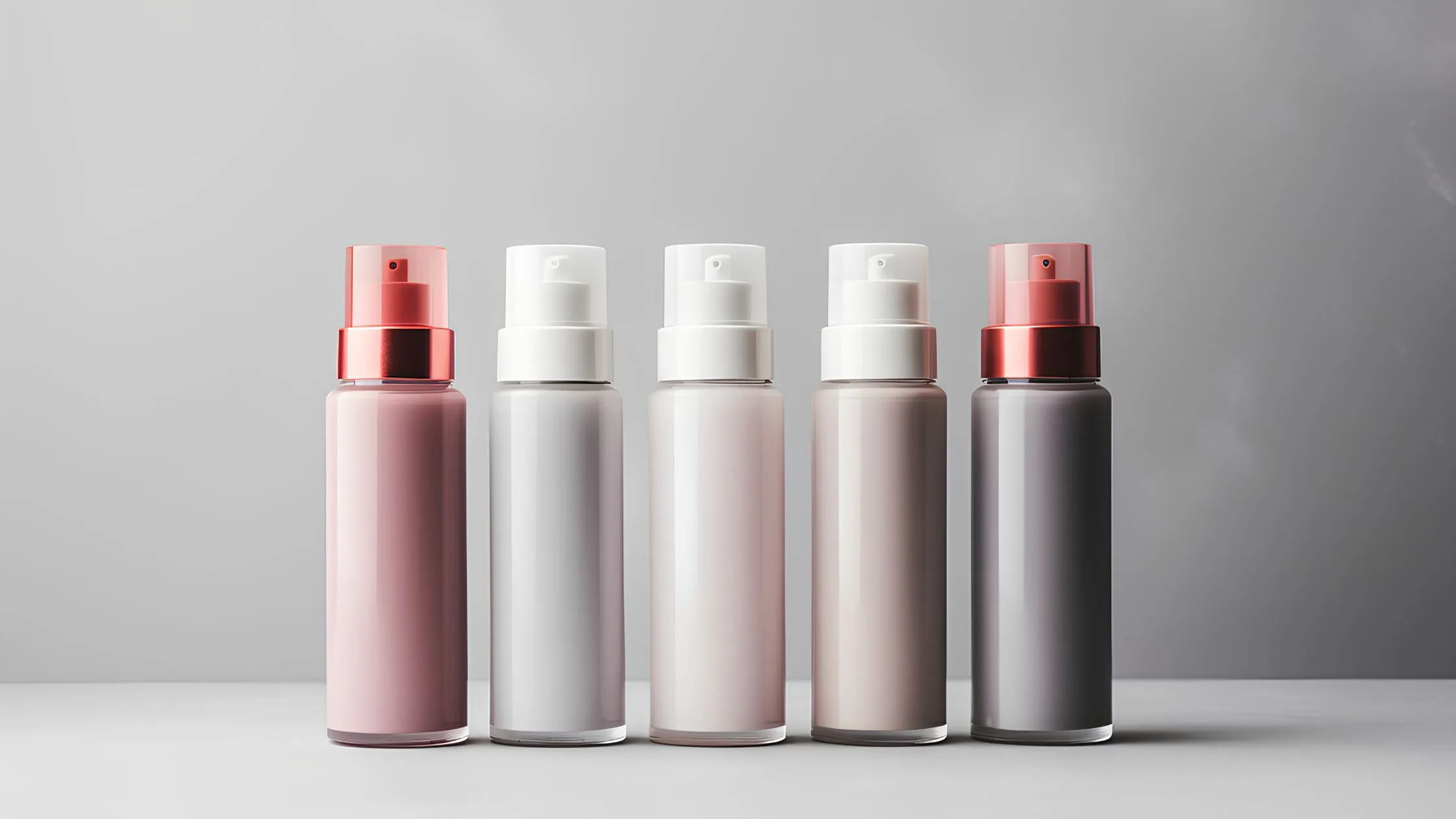
How can oxidation damage sensitive active ingredients during the cosmetic packaging process?
Many modern cosmetic products contain sensitive active ingredients, such as vitamins, antioxidants or plant extracts, which can gradually lose their stability when exposed to air. This oxidation process is not always immediately apparent, but over time it can affect the formula’s effectiveness.
With traditional jars, for example, air comes into contact with the product every time they are used, and the formula is often touched by hand as well. This can increase the risk of contamination and oxidation, particularly with sensitive ingredients.
This is why one of the most important issues in cosmetic packaging has become how best to protect the formula from external environmental factors.
Why has airless technology become so important in the development of cosmetic packaging?
One of the greatest advantages of airless packaging systems is that they minimise the amount of air entering the formulation during use. These systems dispense the product using a vacuum-like mechanism, meaning that the cream or serum comes into less contact with oxygen and external contaminants.
This is particularly important for formulations containing more unstable or more expensive active ingredients. An airless system can help to preserve the formulation’s original condition and efficacy for longer.
It also makes a big difference to the user experience. Dosing can be more precise, hygienic and controlled, which gives the product a more premium feel.
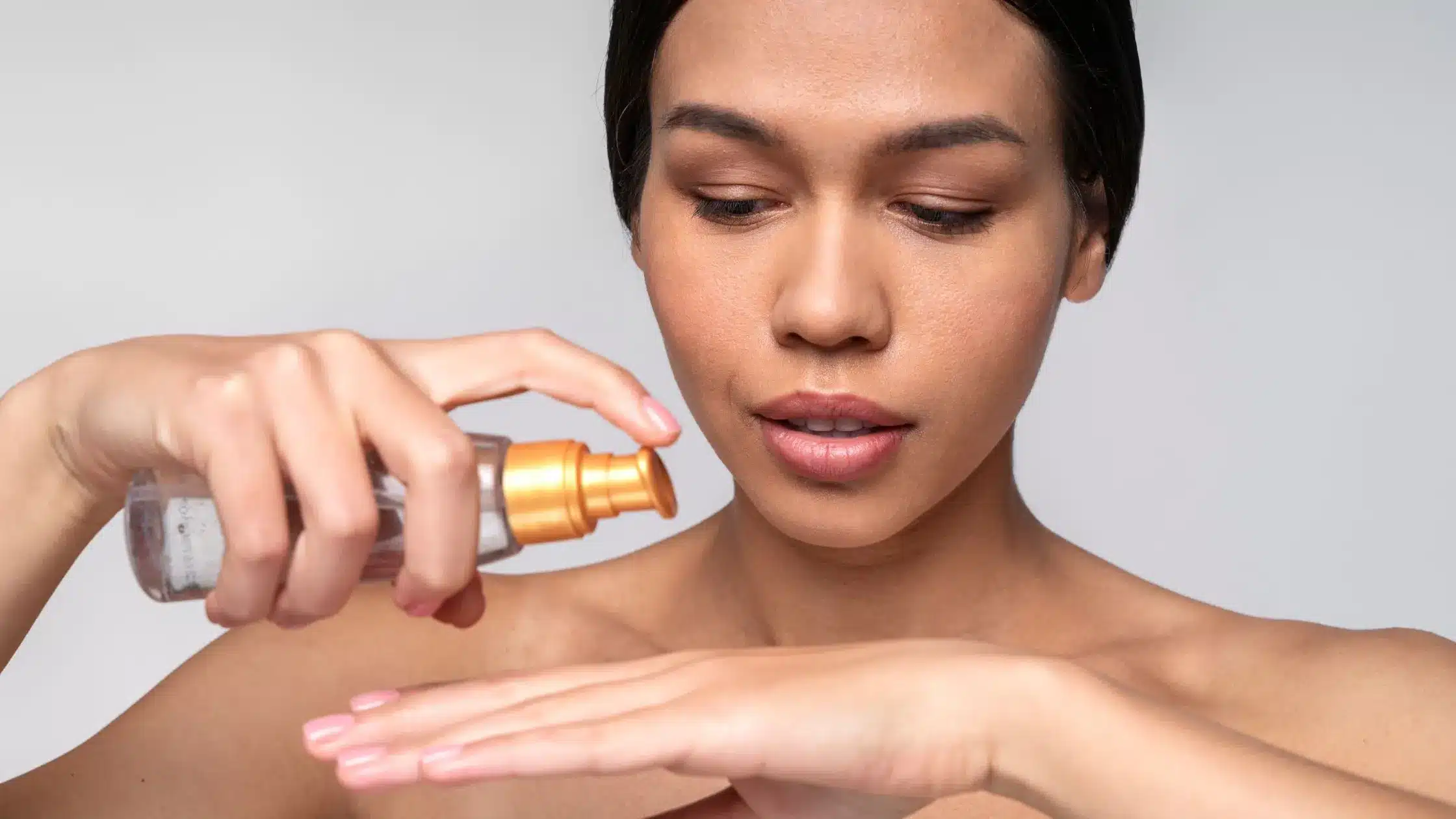
Why doesn’t the same cosmetic packaging work for every formula?
There is no one-size-fits-all packaging solution in the cosmetics industry. A light serum, a thicker anti-ageing cream or a formula based on natural ingredients may all require completely different packaging solutions.
Some formulations are more sensitive to light, whilst others react more quickly to air or temperature. For this reason, the choice of packaging often becomes a key decision right at the start of the development process.
The type of packaging also has a significant impact on shelf life. A formula that is properly protected can retain its original quality and stability for longer.
Packaging is therefore not the final stage of production, but rather an integral part of the product’s function.
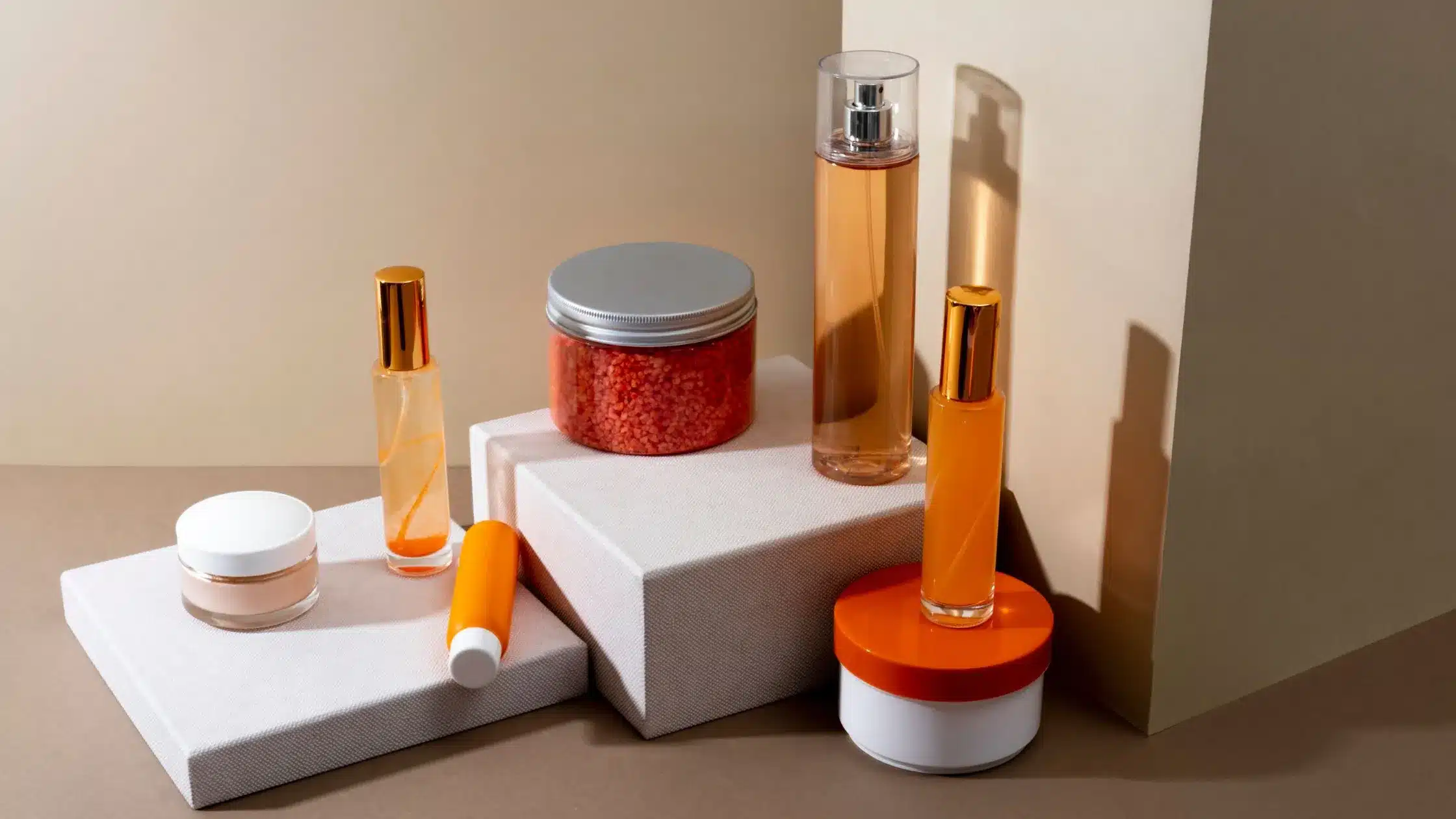
Why is it worth Private Label Should you opt for contract manufacturing to develop the right cosmetic packaging?
In cosmetics manufacturing, choosing the right packaging is just as important a decision as developing the formula itself. A serum containing sensitive active ingredients, a face cream rich in antioxidants or a premium skincare product can only maintain its quality in the long term if the packaging chosen provides adequate protection.
In private label contract manufacturing, brands do not develop the formulations on their own, but operate within a manufacturing environment where it is possible to in-house developed or to create bespoke formulations. This enables the formula and packaging to be developed in a coordinated manner during the product development process, ensuring that the finished cosmetic product is not only aesthetically pleasing but also well thought out from a functional perspective.
Professional expertise is particularly important when decisions need to be made, such as choosing between an airless system, pump dispensers or other specialised packaging solutions. This is because the right packaging can help the formula retain its stability for longer, whilst also enhancing the user experience.
Private label contract manufacturing is therefore not just about manufacturing the product. It is a a professional development and manufacturing environment ensures that formulation, packaging and quality assurance all play an important role in ensuring that the finished product meets today’s consumer and market expectations.